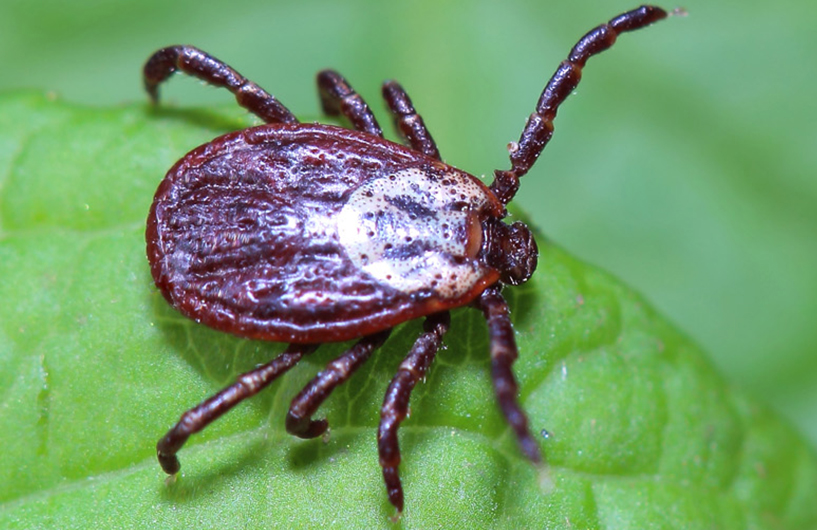
Description
Ticks are blood-feeding arachnids belonging to the family Ixodidae, with over 900 known species worldwide. Adult ticks measure just over 1cm when engorged with blood, while larvae can be under 1mm — making them extremely difficult to detect on skin, fur or clothing. Color varies by species, ranging from brown to reddish-brown to black. In Côte d’Ivoire, ticks are a significant concern for livestock farmers, pet owners, agricultural workers and anyone spending time in or near vegetated areas around Abidjan and across the country. The tropical climate supports year-round tick activity, with populations peaking during the rainy season when vegetation is dense and humidity is high.
Habits
Ticks are found in highly vegetated areas — tall grass, bushes, woodland edges, agricultural land and areas with dense undergrowth. Most species require moisture to survive, making Côte d’Ivoire’s humid tropical environment particularly favorable for tick populations. Ticks do not jump or fly — they wait on vegetation with their legs outstretched in a behavior called “questing,” latching onto a passing host and feeding for several days before dropping off. They feed on the blood of mammals, birds and reptiles, and while they have preferred hosts, they will feed on whatever is available — livestock, goats, cattle, pets, deer and humans.
In Côte d’Ivoire, ticks are vectors of serious diseases that pose real health risks to agricultural workers, outdoor staff and pet owners. Tick-borne relapsing fever, caused by Borrelia species transmitted by soft ticks, is present in West Africa. Spotted fever group rickettsia, transmitted by hard ticks, has also been documented in the region. For livestock farmers, tick infestations cause significant economic losses through reduced productivity, anaemia and transmission of diseases such as bovine babesiosis and theileriosis — both prevalent in tropical Africa.
Defense
- Protect yourself outdoors — wear long sleeves and trousers tucked into socks in vegetated areas. Use DEET-based insect repellent on exposed skin and clothing. After outdoor activities, perform a full body check on yourself, children and pets, paying close attention to hairlines, behind ears, armpits and the backs of knees.
- Maintain your grounds — keep grass short, remove leaf litter and clear brush and undergrowth around buildings, agricultural facilities and recreational areas. Creating a buffer zone of gravel or wood chips between wooded areas and lawns helps reduce tick migration onto your property.
- Protect livestock and pets — regular veterinary treatment with tick prevention products (acaricides, spot-on treatments, tick collars) is essential for all animals on your property. Inspect animals regularly, especially after grazing in open fields.
- Treat tick attachment promptly — if a tick is found attached, remove it carefully with fine-tipped tweezers, pulling steadily without twisting. Do not crush the tick or apply heat. Clean the area with antiseptic and monitor for symptoms over the following weeks.
- Professional inspection and treatment — Orkin Côte d’Ivoire can assess your property, identify tick activity zones and apply targeted acaricide treatments to reduce tick populations in vegetation, around buildings and in agricultural settings.
Contact Orkin Côte d’Ivoire today for a free inspection and customized tick control program for your property, farm or business.